Solar energy adoption in India is growing at a remarkable pace. Falling installation costs, rising electricity tariffs, and stronger environmental awareness have pushed homes, businesses, and industries toward rooftop and ground-mounted solar systems. Yet despite this progress, one fundamental challenge remains: solar power is intermittent. It generates electricity when the sun shines and stops when it doesn’t.
This limitation has long been a barrier to treating solar as a primary, reliable energy source. Battery Energy Storage Systems – commonly known as BESS – are changing that equation. By storing surplus solar energy and releasing it when needed, BESS bridges the gap between generation and demand, making solar genuinely dependable.
Why Solar Beats Traditional Inheritance Options
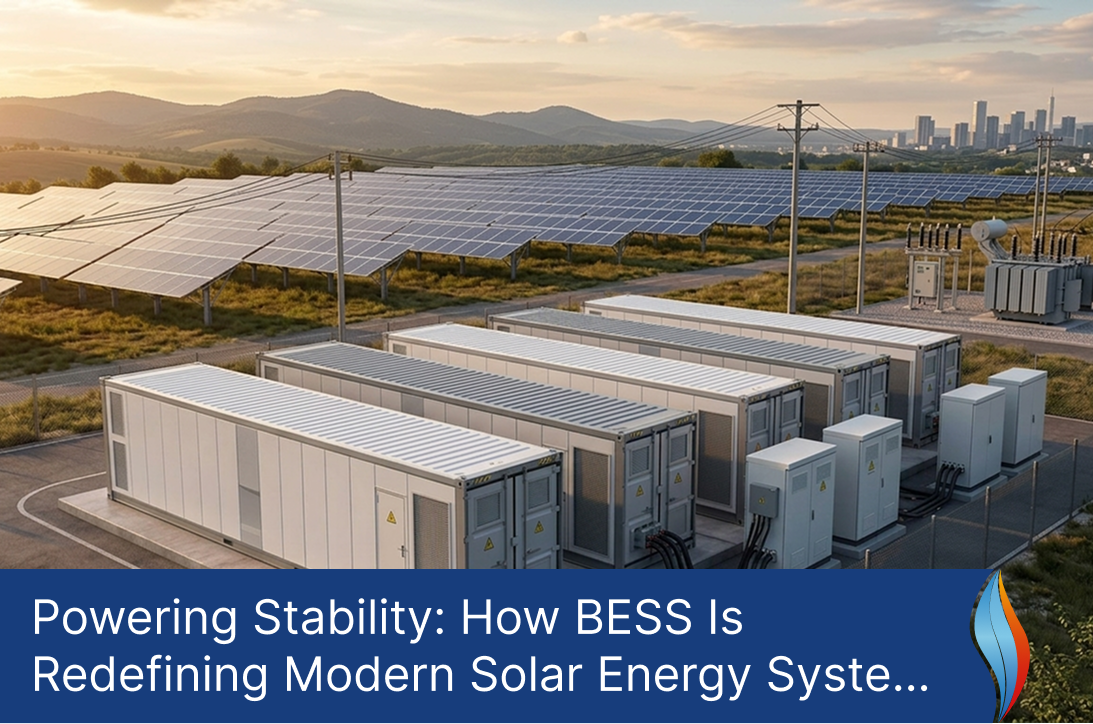
A Battery Energy Storage System is a technology that captures electrical energy from solar panels during periods of high generation and stores it in a battery bank for later use. When sunlight decreases – during evening hours, cloudy days, or grid outages – the stored energy is discharged to meet the load demand.
Modern BESS solutions use lithium-ion or lithium iron phosphate (LFP) battery chemistries, both of which offer high energy density, long cycle life, and efficient charge-discharge performance. The system also includes a battery management system (BMS) that monitors temperature, voltage, and current to protect the batteries and extend their operational lifespan.
In simple terms: BESS acts as a buffer between your solar panels and your electricity consumption. It ensures that energy produced during the day is not wasted and is available precisely when it is needed.
Why Grid Stability Matters
For homes, offices, and factories, a stable and uninterrupted power supply is not just convenient – it is operationally critical. Power fluctuations can damage sensitive equipment, disrupt manufacturing processes, and affect productivity. In regions where grid reliability is inconsistent, energy instability is a direct financial risk.
India’s grid, while improving, still experiences voltage fluctuations, frequency variations, and occasional outages – particularly during peak demand hours or weather events. For solar users connected to the grid, these fluctuations affect not only their comfort but also the performance and safety of their inverter systems.
A solar installation without storage is entirely dependent on grid stability and sunlight availability. BESS reduces this dependency by creating a local energy buffer that insulates the consumer from both grid instability and solar intermittency.
Energy storage during excess production:
Solar panels often generate more power than is being consumed during midday hours. Without storage, this surplus is either exported to the grid at low rates or wasted entirely. BESS captures this excess and stores it for later use.
Energy supply during low or no sunlight:
During early mornings, evenings, and overcast days, solar generation drops while consumption continues. BESS fills this gap, supplying stored energy without relying on the grid.
Load balancing:
BESS helps match energy supply with demand throughout the day. By releasing stored energy during peak consumption hours, it prevents demand spikes that would otherwise draw heavily from the grid and attract higher tariff charges.
Reducing pressure on the grid:
When thousands of solar users draw power simultaneously from the grid during low-generation periods, it strains grid infrastructure. BESS users shift this demand to stored energy, reducing their draw from the grid and contributing to overall grid health.
Backup power support:
In the event of a grid outage, BESS can seamlessly supply power to critical loads, functioning as a reliable backup without the noise or fuel costs associated with diesel generators.
Key Benefits of BESS
Practical Use Cases
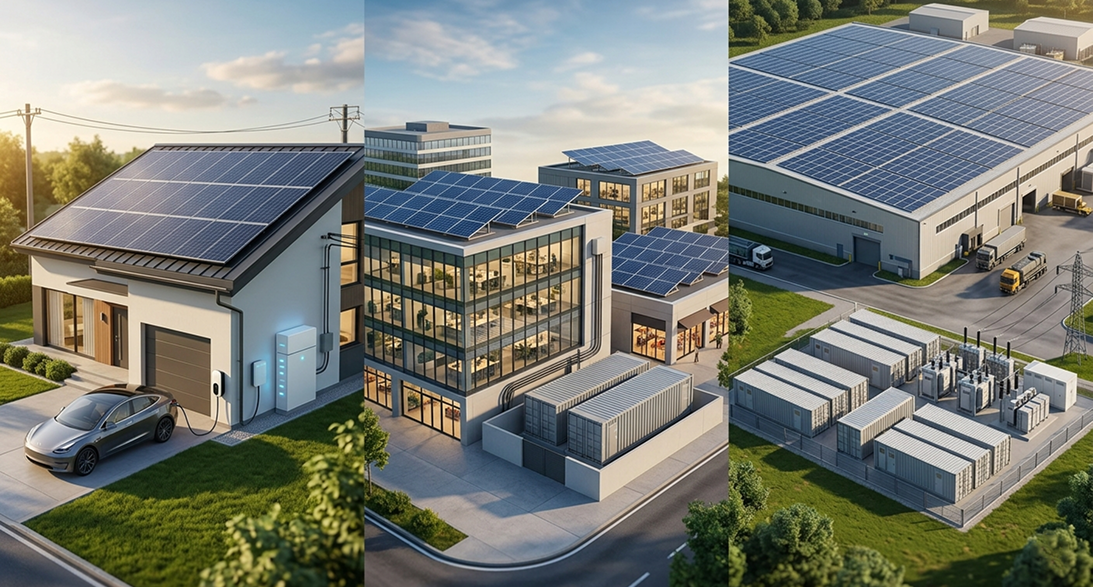
Residential solar systems: Homeowners with rooftop solar can use BESS to power evening loads – lighting, fans, appliances – entirely from stored solar energy, significantly reducing their grid consumption.
Commercial buildings: Offices, retail spaces, and hotels benefit from BESS by managing peak demand charges and maintaining operations during power interruptions, without disrupting daily functioning.
Industrial applications: Factories with energy-intensive processes gain the most from BESS. Load shifting, demand charge reduction, and backup power for critical machinery make BESS a strategically valuable addition to industrial solar systems.
Role of ISH Solar
ISH Solar, based in Surat, Gujarat, is a solar module manufacturer focused on high-performance photovoltaic technology. With a 2.0 GW AI-powered manufacturing facility, ISH Solar produces TOPCon-based modules – including the ISH Supreme and ISH Prime series – designed for residential, commercial, and ground-mounted applications.
ISH Solar’s panels are engineered for efficiency, long-term reliability, and low annual degradation, making them well-suited for integration with BESS. A high-quality solar module is the foundation of any storage-enabled system: it needs to generate consistently and accurately across varying conditions for BESS to perform as expected. ISH Solar’s commitment to precision manufacturing and certified product quality supports exactly that kind of system-level reliability.
Conclusion
Solar energy’s future is not just about generating more power – it is about using that power intelligently, reliably, and efficiently. Battery Energy Storage Systems address the core limitation of solar: its dependence on sunlight availability. By enabling storage, load balancing, and backup power, BESS transforms solar from a supplemental energy source into a comprehensive, grid-independent power solution.
As electricity demands grow and energy costs rise, the combination of high-efficiency solar panels and reliable BESS will become increasingly standard – not just for large industrial consumers, but for businesses and homes across India. Investing in a well-designed solar-plus-storage system today is a practical, forward-looking decision for energy security and long-term cost control.
Frequently Asked Questions
What is BESS in solar energy?
BESS stands for Battery Energy Storage System. It stores electricity generated by solar panels during high-production periods and releases it when solar generation is low or demand is high, ensuring a continuous and reliable power supply.
How does BESS improve grid stability?
BESS reduces a building’s dependency on the grid by supplying stored energy during peak demand hours and grid outages. This reduces the load on grid infrastructure and protects the consumer from voltage fluctuations and supply interruptions.
Is BESS useful for home solar systems?
Yes. Residential users benefit significantly from BESS by powering evening and nighttime loads from stored solar energy, reducing electricity bills and providing backup during outages – all without a diesel generator.
Does BESS reduce electricity bills?
It does. By using stored solar energy instead of drawing from the grid during peak hours – when tariffs are highest – BESS directly reduces monthly electricity costs. Industrial and commercial consumers who pay demand charges see particularly strong savings.
What is the lifespan of a BESS system?
Most modern lithium-ion and LFP battery systems are rated for 3,000 to 6,000 charge-discharge cycles, which typically translates to 10-15 years of operational life, depending on usage patterns, depth of discharge, and operating temperatures. A quality battery management system helps maximize lifespan by protecting against overcharging, overheating, and deep discharging.
Can BESS work during a complete grid failure?
Yes. A properly configured BESS with an islanding capability can continue to supply power to designated loads even when the grid is completely down, making it a practical alternative to traditional backup generators for critical applications.
How do I know if my solar system is compatible with BESS?
Most modern solar inverters support BESS integration, either natively or through a hybrid inverter configuration. A qualified solar installer can assess your existing system and recommend the appropriate battery capacity and inverter setup based on your load profile and usage patterns.